The culture of Himachal Pradesh is not just about traditions, festivals, or clothing—it is a way of life shaped by mountains, seasons, faith, and community bonding. From snow-covered villages in winter to colorful fairs in summer, Himachal culture reflects simplicity, resilience, and deep respect for nature.
Having lived close to Himachali villages and interacted with locals across districts like Kangra, Kullu, Chamba, and Shimla, one thing becomes very clear: the culture here is lived daily, not just shown during festivals. Let’s explore what truly makes the culture of Himachal Pradesh special and unique.
A Culture Shaped by Mountains and Nature
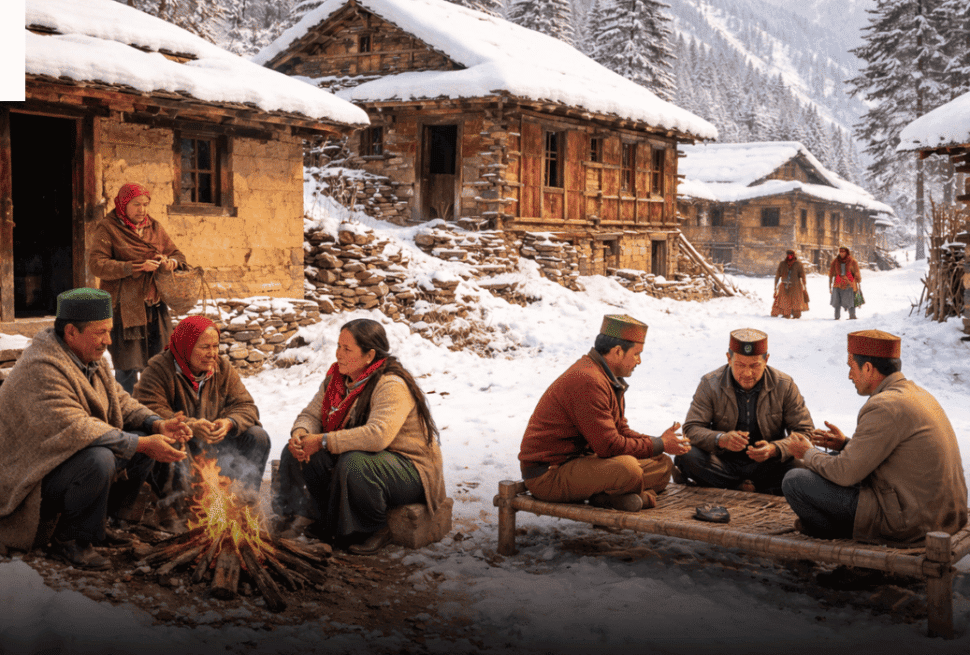
Himachal Pradesh is a hill state, and its culture is deeply influenced by geography. Life in the mountains teaches patience, cooperation, and sustainability.
- People grow food according to seasons
- Houses are built with stone, wood, and mud to survive cold winters
- Water, forests, and land are treated with respect
In many villages, locals still follow eco-friendly practices like using firewood carefully, storing grains naturally, and wearing handmade woollens. This close relationship with nature is a strong foundation of Himachal culture.
Strong Community Life and Togetherness
One of the most special aspects of the culture of Himachal Pradesh is its strong sense of community.
In villages:
- Neighbours help each other during farming, weddings, and festivals
- Decisions are often taken together
- Elders are respected and listened to
Even today, during snowfall or landslides, people come together to support one another. This community spirit is rare in modern city life and makes Himachal culture deeply human and warm.
Dev Bhoomi: Deep Spiritual and Religious Roots
Himachal Pradesh is often called “Dev Bhoomi” (Land of Gods), and spirituality plays a huge role in daily life.
- Almost every village has a local deity (Devta or Devi)
- Temples are centuries old and linked to local legends
- People believe their deities protect villages and guide decisions
Traditional rituals, fairs, and processions are organized to honor these deities. This strong faith system is not forced—it naturally flows through the culture of Himachal Pradesh.
Read More: Himachali Lifestyle in Winter
Unique Local Festivals and Fairs
Festivals in Himachal Pradesh are not just celebrations; they are cultural gatherings that keep traditions alive.
Some famous festivals include:
- Kullu Dussehra – celebrated for weeks with local deities
- Minjar Mela (Chamba) – marks the harvest season
- Lavi Fair (Rampur) – an ancient trade fair
- Phulaich Festival (Kinnaur) – honors nature and ancestors
During these festivals, people weartraditional clothes, perform folk dances, sing local songs, and share food. These events reflect the living soul of culture.
Traditional Clothing Reflects Identity
Traditional dress is a proud symbol of the culture of Himachal Pradesh.
For Men:
- Woollen kurta, churidar, and coat
- Himachali cap, different in color and design in each region
For Women:
- Ghagra, salwar-kameez, or pattu
- Silver and gold jewellery with local designs
Even today, elders and rural people wear traditional clothes daily, especially in cold regions. Clothing here is not fashion-driven but climate-smart and cultural.
Folk Music and Dance Tell Local Stories
Himachal’s folk music and dances are deeply connected to village life, seasons, and gods.
Popular dance forms include:
- Nati (one of the largest folk dances in the world)
- Kayang
- Chham
Songs are sung during:
- Weddings
- Harvest
- Religious rituals
The lyrics often talk about nature, love, separation, and faith. These art forms keep culture alive from one generation to another.
Simple Living and Honest Lifestyle
The culture of Himachal Pradesh is known for its simplicity and honesty.
- People live simple lives with limited needs
- Hospitality is natural, not forced
- Guests are treated like family
Even in remote villages, if you ask for water or help, locals will welcome you warmly. This humble attitude is a core value of culture.
Food Culture Rooted in Tradition
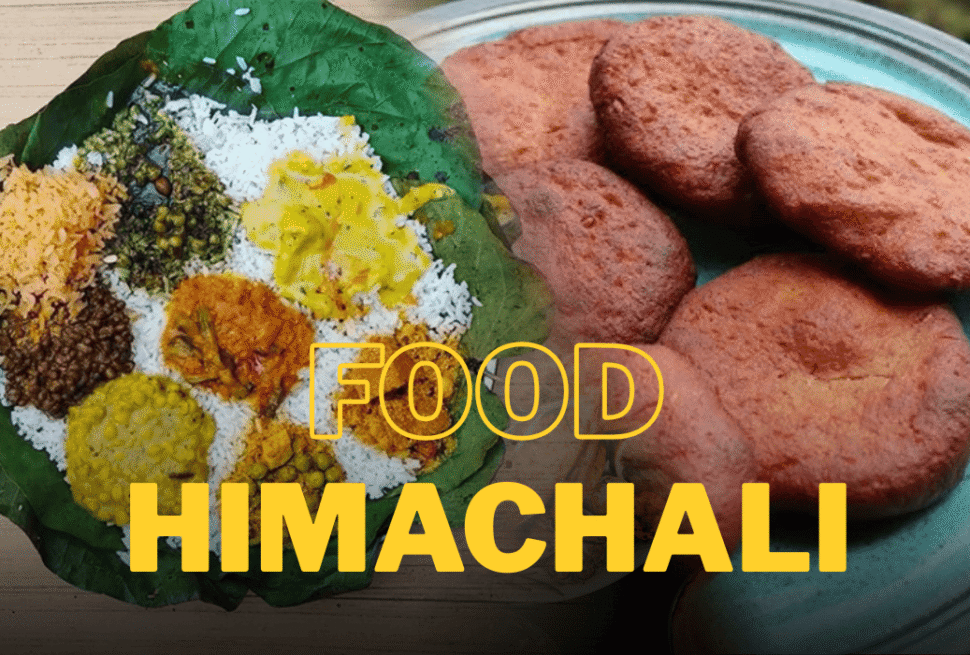
Himachali food is simple, nutritious, and seasonal. It reflects the harsh winters and mountain lifestyle.
Popular traditional dishes include:
- Dham (festive meal)
- Siddu
- Madra
- Chana dal
- Tudkiya bhath
Food is often cooked slowly using local ingredients. During winters, people rely on stored grains and dried vegetables. This food culture shows planning, patience, and wisdom passed through generations.
Language and Dialects Add Cultural Depth
Himachal Pradesh has many local dialects like:
- Kangri
- Mandeali
- Kullui
- Chambeali
- Kinnauri
Though Hindi is commonly spoken, these dialects carry folk stories, songs, and traditions. Language plays a big role in preserving the culture of Himachal Pradesh.
Respect for Forests and Environment
Traditionally, Himachali people treat forests as sacred.
- Cutting trees without reason is discouraged
- Forests are linked with local deities
- Nature worship is common
This respect for the environment makes culture naturally sustainable—long before the word “eco-friendly” became popular.
How Modern Life Is Blending with Traditional Himachal Culture
With tourism and development, modern lifestyle is entering Himachal Pradesh. However, what’s special is how locals balance modern life with traditions.
- Young people use technology but respect rituals
- Festivals are celebrated even in cities
- Traditional homes still exist alongside modern houses
This balance keeps the culture alive without stopping progress.
Why Himachal Culture Feels So Special to Visitors
Visitors often say Himachal feels peaceful and different. The reason is its culture.
- Calm lifestyle
- Honest people
- Spiritual atmosphere
- Natural beauty mixed with tradition
Once you experience Himachal culture closely, it leaves a lasting impression on your heart.
FAQ’s
What makes Himachal culture unique?
Himachal culture is unique because it is deeply connected to nature, local gods, community life, and simple living. Traditions are still followed in daily life.
What is special about the culture of Himachal Pradesh?
The culture of HP is special due to its strong spiritual roots, traditional festivals, folk arts, eco-friendly lifestyle, and warm hospitality.
Is Himachal culture still followed today?
Yes, Himachal culture is still actively followed, especially in villages. Festivals, rituals, traditional clothing, and food habits remain strong.
Why is Himachal called Dev Bhoomi?
Himachal Pradesh is called Dev Bhoomi because almost every region has ancient temples and local deities worshipped by villagers.
How does geography influence Himachal culture?
Mountains, cold climate, and forests shape culture by promoting simple living, community support, and respect for nature.
Final Thoughts
The true beauty of Himachal culture lies in its simplicity, honesty, and harmony with nature. It is not loud or flashy—it is calm, deep, and meaningful. The culture of Himachal Pradesh teaches us how to live with balance, respect traditions, and stay connected to our roots.
In a fast-moving world, Himachal culture reminds us that slow living can be beautiful too.