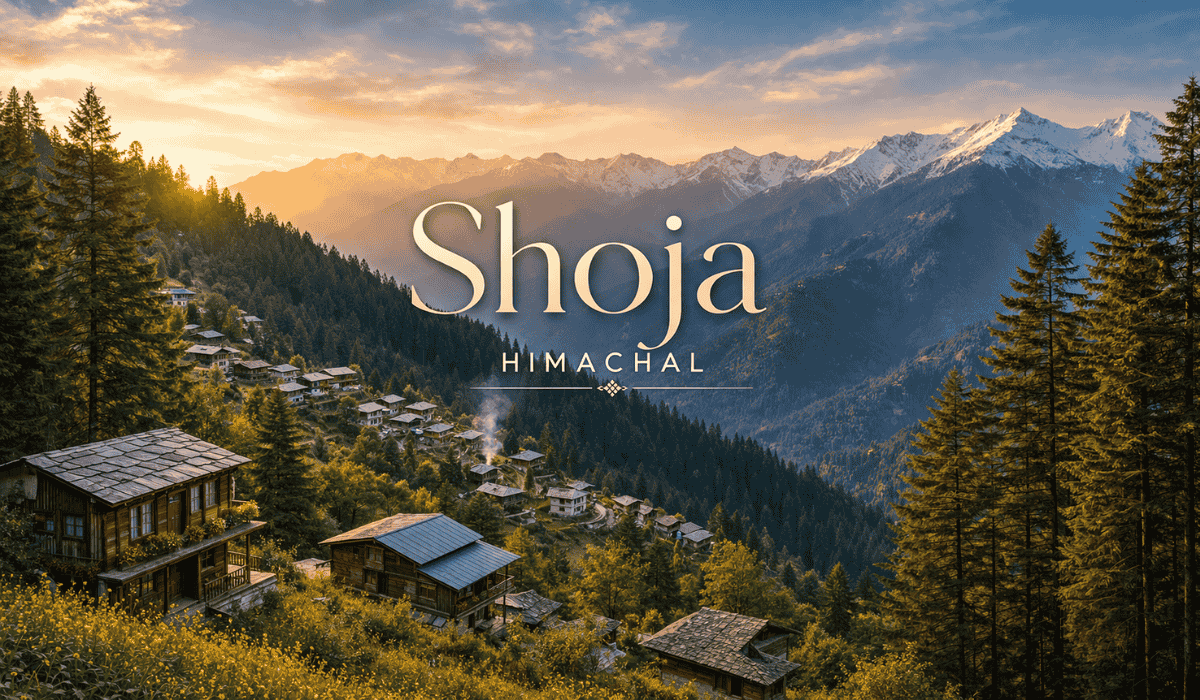
If you’re tired of crowded hill stations like Manali or Shimla and looking for a peaceful escape, Shoja in Himachal Pradesh is a perfect choice for 2026. Quietly nestled in the Seraj Valley, Shoja is still untouched by mass tourism, making it one of the most underrated destinations near Jibhi.
With dense forests, scenic Himalayan views, wooden cottages, and calm surroundings, Shoja offers a raw and authentic mountain experience. It is ideal for travelers who prefer slow travel over rushed itineraries.
Where is Shoja Located?
Shoja is a small mountain village located in the Seraj Valley of Himachal Pradesh, around 5–6 km above Jibhi and close to the famous Jalori Pass.
- Altitude: Approximately 2,692 meters
- District: Kullu
- Nearby hub: Jibhi
Its elevation and location make it cooler and quieter than nearby tourist spots.
Why Shoja is Still a Hidden Gem in 2026
Despite the growing popularity of offbeat travel, Shoja has managed to stay relatively unexplored. Here’s what makes it special:
Peaceful Environment
Unlike crowded destinations, Shoja offers silence and calm. You can hear birds, wind through the trees, and flowing water instead of traffic and noise.
Minimal Commercialization
There are no big hotels or chains. Most accommodations are homestays run by locals, preserving the authenticity of the place.
Rich Forest Landscape
Shoja is surrounded by thick pine and deodar forests, making it perfect for nature walks and short hikes.
Slow Travel Experience
Shoja encourages you to slow down. There is no rush to cover multiple spots; instead, you experience the place deeply.
Best Time to Visit Shoja in 2026
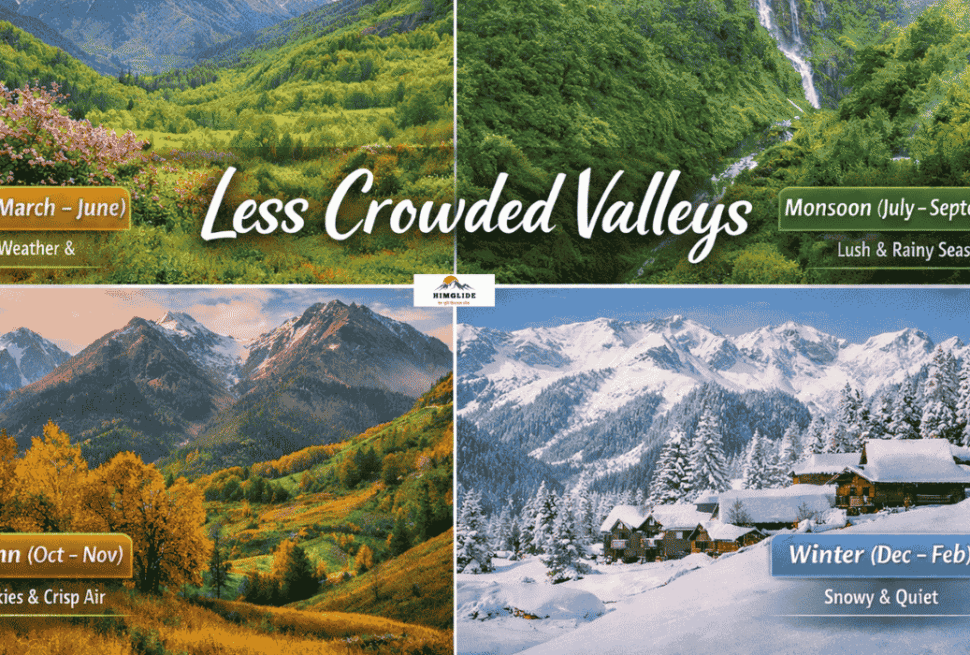
Shoja can be visited throughout the year, depending on the experience you are looking for:
- March to June: Pleasant weather, perfect for sightseeing and trekking
- July to September: Green landscapes, though occasional road issues due to rain
- October to November: Clear mountain views and fewer tourists
- December to February: Snowfall season with a peaceful winter vibe
For a balanced experience of weather and crowd-free travel, October and November are highly recommended.
Top Places to Visit in Shoja
Jalori Pass
Located close to Shoja, Jalori Pass offers panoramic views of the Himalayas. It also serves as a base point for several treks.
Serolsar Lake
The trek to Serolsar Lake is around 5 km and suitable for beginners. The lake is surrounded by dense forest and holds cultural significance for locals.
Raghupur Fort
An offbeat trek that leads to the ruins of an ancient fort. The real highlight is the wide-angle Himalayan view from the top.
Shoja Waterfall
A hidden waterfall located within forest trails. It is less crowded and ideal for quiet relaxation.
Jibhi Village
A short drive away, Jibhi offers riverside views, cafes, and small markets, giving a contrast to Shoja’s calm atmosphere.
Unique Experiences in Shoja
Shoja offers some experiences that are still not widely talked about:
Forest Walks and Mindful Travel
Walking through dense forests without distractions allows you to connect deeply with nature. Many travelers visit Shoja specifically for this calm environment.
Local Cultural Interaction
Staying in homestays gives you a chance to interact with locals and understand Himachali traditions, food, and lifestyle.
Stargazing
Due to low light pollution, Shoja offers clear night skies. On a good night, you can see countless stars without needing any special equipment.
Traditional Food Experience
Homestays often serve homemade Himachali food like Siddu, Rajma, and Madra, which adds to the authentic experience.
Hidden Viewpoints
Locals can guide you to lesser-known sunrise and sunset spots that are not marked on maps.
How to Reach Shoja Himachal Pradesh
By Road
- Distance from Delhi: Around 500 km
- Route: Delhi → Aut → Banjar → Jibhi → Shoja
By Bus
Take a bus to Aut or Banjar, then hire a taxi for the last stretch.
By Train
Nearest railway station: Joginder Nagar (limited connectivity)
By Air
Nearest airport: Bhuntar (Kullu)
Where to Stay in Shoja Himachal
Shoja mainly offers homestays and small cottages rather than luxury hotels.
- Budget range: ₹800 to ₹3000 per night
- Wooden cottages with mountain views
- Home-cooked meals available
Staying in a homestay enhances the overall experience and supports the local community.
Travel Tips for Shoja
- Carry sufficient cash as ATMs are limited
- Pack warm clothes even in summer
- Keep offline maps downloaded
- Avoid late-night driving in hilly areas
- Respect nature and avoid littering
Who Should Visit Shoja?
Shoja is best suited for:
- Solo travelers looking for peace
- Couples seeking a quiet getaway
- Nature lovers and photographers
- Backpackers exploring offbeat Himachal
- Travelers wanting a break from digital life
Suggested 2–3 Day Itinerary
- Day 1: Arrival in Shoja, check-in, visit Jalori Pass, evening relaxation
- Day 2: Trek to Serolsar Lake, explore forest trails, local interaction
- Day 3 (Optional): Visit Jibhi, explore cafes, return journey
FAQ’s
1. Is Shoja better than Jibhi for a peaceful trip?
Shoja is quieter and less commercial than Jibhi. While Jibhi has cafes and social spots, Shoja offers a more silent and natural environment. It is ideal for travelers who want relaxation, nature walks, and minimal crowd. Many visitors stay in Shoja and visit Jibhi for a short trip.
2. Does Shoja receive snowfall in winter?
Yes, Shoja gets snowfall between late December and February. The village becomes a beautiful snow-covered destination during this time. However, heavy snowfall can sometimes affect road access, so checking weather and road conditions before travel is important.
3. Is Shoja safe for solo travelers?
Shoja is generally safe for solo travelers, including women. The locals are friendly, and most stays are family-run homestays. Still, basic precautions like avoiding isolated areas at night and keeping emergency contacts are recommended.
4. Is internet connectivity good in Shoja?
Internet in Shoja is limited and not always reliable. Some homestays offer Wi-Fi, but speeds can vary. Mobile networks like Jio and Airtel work in certain spots, but overall, Shoja is better for a digital detox.
5. How many days are enough to explore Shoja?
A 2 to 3-day trip is enough to explore Shoja and nearby places like Jalori Pass and Serolsar Lake. You can stay longer if you want to relax and enjoy the peaceful surroundings.
Conclusion
Shoja Himachal Pradesh stands out as a rare destination where nature still feels untouched. It offers a peaceful alternative to crowded tourist spots and allows travelers to experience the mountains in a more personal and meaningful way.If you are planning a trip to Himachal Pradesh in 2026, Shoja deserves a place in your itinerary. It is not just about visiting a destination but about slowing down and enjoying the journey.