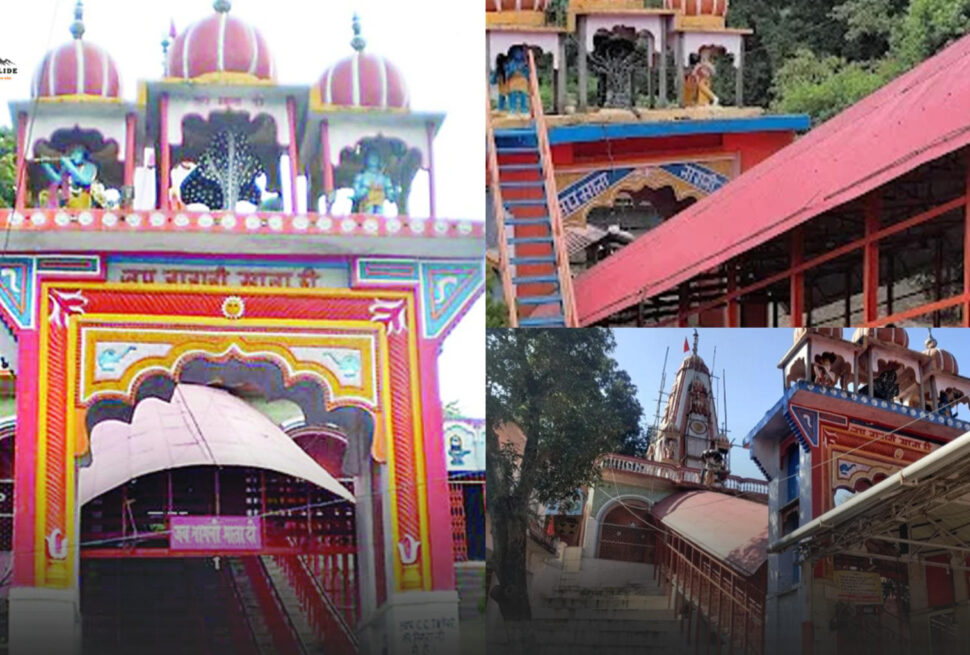
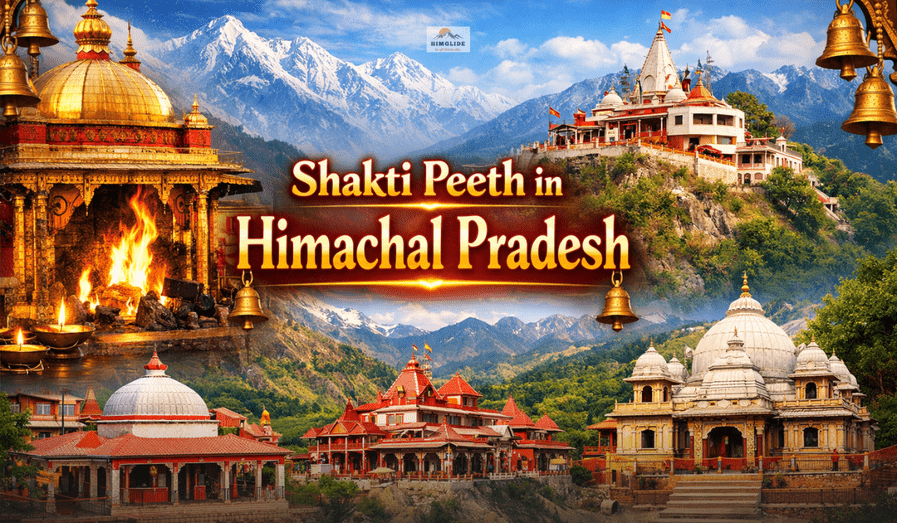
Himachal Pradesh is widely known as “Dev Bhoomi” (Land of Gods) because of its countless temples, sacred shrines, and spiritual traditions. Among the most revered religious sites in the state are the Shakti Peeth temples, dedicated to Goddess Durga or Adi Shakti. These temples are believed to hold immense divine energy and attract thousands of devotees every year.
The Sakti peeth in Himachal Pradesh are not only important pilgrimage destinations but also powerful centers of faith, history, and mythology. Many devotees believe that visiting these sacred shrines brings peace, blessings, and spiritual strength.
What Are Shakti Peeths?
Before exploring the Sakti peeth in Himachal Pradesh, it is important to understand what Shakti Peeths actually are.
According to Hindu mythology, Shakti Peeths are sacred places where parts of Goddess Sati’s body fell on Earth. The story is connected with Lord Shiva and Goddess Sati.
When King Daksha insulted Lord Shiva, Goddess Sati sacrificed herself in the yajna fire. Grief-stricken, Lord Shiva carried Sati’s body and performed the Tandava (cosmic dance of destruction). To calm Shiva, Lord Vishnu used his Sudarshan Chakra to cut Sati’s body into pieces, which fell at different places across the Indian subcontinent.
These sacred locations later became known as Shakti Peeths, where devotees worship the divine feminine power (Shakti).
Also Read: Rare Ritual Festival of Himachal Pradesh
Importance of Shakti Peeth in Himachal Pradesh
Himachal Pradesh is home to five major Shakti Peeths, making it one of the most important states for Shakti worship in India. These temples are located in scenic valleys and hills, combining natural beauty with spiritual energy.
The major Sakti peeth in Himachal Pradesh include:
- Jwala Ji Temple
- Chintpurni Temple
- Naina Devi Temple
- Brajeshwari Devi Temple
- Chamunda Devi Temple
Each temple has its own mythological story, spiritual significance, and local traditions.
1. Jwala Ji Temple (Kangra District)
The Jwala Ji Temple is one of the most unique and powerful Sakti peeth in Himachal Pradesh. What makes this temple special is that natural flames burn continuously inside the sanctum, which are believed to represent the eternal presence of Goddess Shakti.
Mythological Significance
It is believed that Goddess Sati’s tongue fell at this place, which is why flames continuously emerge from the rock fissures.
Key Highlights
- Eternal flames that have been burning for centuries
- No idol of the goddess; flames are worshipped instead
- One of the most powerful Shakti shrines in India
Best Time to Visit: Navratri festival is the most popular time when thousands of devotees visit the temple.
2. Chintpurni Temple (Una District)
The Chintpurni Temple is another highly revered Sakti peeth in Himachal Pradesh where devotees come to seek relief from worries and difficulties.
The name Chintpurni literally means “the one who removes worries (Chinta)”.
Mythological Significance
According to belief, Goddess Sati’s feet fell here, making this temple an important Shakti Peeth.
- Spiritual Importance: Devotees believe that praying here helps remove life’s obstacles and stress.
- Major Festival: The Shravan Ashtami Mela attracts thousands of pilgrims every year.
3. Naina Devi Temple (Bilaspur District)
Located on a hilltop overlooking Gobind Sagar Lake, the Naina Devi Temple is one of the most famous Sakti peeth in Himachal Pradesh.
The temple offers a combination of spiritual devotion and breathtaking Himalayan views.
- Mythological Significance: It is believed that Goddess Sati’s eyes (Naina) fell at this sacred location.
- Why Devotees Visit: People come here to seek blessings for success, protection, and prosperity.
4. Brajeshwari Devi Temple (Kangra)
The Brajeshwari Devi Temple, also known as Kangra Devi Temple, is another sacred Sakti peeth in Himachal Pradesh with deep historical roots.
This temple has been mentioned in ancient Hindu texts and has been visited by kings and pilgrims for centuries.
- Mythological Belief: It is believed that Goddess Sati’s breast fell at this location, making it a powerful spiritual center.
- Unique Tradition: After Makar Sankranti, the temple idol is covered with butter, symbolizing healing energy.
- Historical Importance: The temple has been rebuilt multiple times due to earthquakes and invasions, yet it remains a strong symbol of faith.
5. Chamunda Devi Temple (Kangra)
Situated on the banks of the Baner River, the Chamunda Devi Temple is one of the most peaceful and scenic Sakti peeth in Himachal Pradesh.
The temple is dedicated to Goddess Chamunda, a fierce form of Durga who destroyed demons Chand and Mund.
- Spiritual Importance: Devotees visit this temple to seek protection from negative energies and obstacles.
- Scenic Surroundings: The temple is surrounded by beautiful mountains and forests, making it a perfect place for spiritual reflection and meditation.
Why Pilgrims Visit Shakti Peeths in Himachal Pradesh
Many devotees believe that visiting the Sakti peeth in Himachal Pradesh brings divine blessings and spiritual transformation.
Some common reasons pilgrims visit include:
- To seek peace and mental strength
- For fulfillment of wishes and prayers
- To experience Himachal’s spiritual culture
- To attend Navratri celebrations
- To explore sacred temples in the Himalayas
The journey to these temples is often described as a spiritual experience rather than just a pilgrimage.
Best Time to Visit Shakti Peeths in Himachal Pradesh
The temples remain open throughout the year, but some months are especially ideal.
Best months to visit:
- March – June: Pleasant weather
- September – November: Clear mountain views
Festival Season
The best time for spiritual atmosphere is during Navratri, when all Shakti temples celebrate the divine power of Goddess Durga.
During this time, temples are decorated beautifully and special aartis and rituals are performed.
Travel Tips for Visiting Shakti Peeth Temples
If you are planning a pilgrimage to the Sakti peeth in Himachal Pradesh, here are some helpful tips:
✔ Start your journey early during festival seasons
✔ Carry comfortable walking shoes
✔ Respect local customs and temple rules
✔ Avoid peak afternoon crowd times
✔ Keep drinking water and basic travel essentials
Most temples are well connected by roads, buses, and nearby railway stations.
FAQ’s
1. How many Shakti Peeths are in Himachal Pradesh?
Himachal Pradesh has five major Shakti Peeth temples: Jwala Ji, Chintpurni, Naina Devi, Brajeshwari Devi, and Chamunda Devi.
2. Which is the most powerful Shakti Peeth in Himachal?
Many devotees consider Jwala Ji Temple one of the most powerful Shakti Peeths because of its eternal natural flames representing the goddess.
3. What is the best time to visit Shakti Peeths in Himachal?
The best time is March to June and September to November. Visiting during Navratri offers a special spiritual experience.
4. Why are Shakti Peeths important in Hinduism?
Shakti Peeths are sacred sites where parts of Goddess Sati’s body fell, making them powerful centers of divine feminine energy.
5. Which Shakti Peeth is located on a hilltop in Himachal Pradesh?
The Naina Devi Temple is located on a hilltop overlooking Gobind Sagar Lake.
6. Can all Shakti Peeths in Himachal Pradesh be visited in one trip?
Yes, many pilgrims visit all five temples in a Shakti Peeth pilgrimage circuit, usually taking 3–5 days.
7. Are Shakti Peeth temples crowded during Navratri?
Yes, during Navratri festivals, these temples receive thousands of devotees, making it the busiest but most spiritual time to visit.
Conclusion
The Sakti peeth in Himachal Pradesh are not just temples but centers of ancient faith, mythology, and spiritual energy. From the eternal flames of Jwala Ji to the peaceful surroundings of Chamunda Devi, each shrine offers a unique divine experience.
For devotees and travelers alike, visiting these temples is a journey into Himachal’s deep spiritual heritage and the powerful presence of Goddess Durga.
If you are planning a spiritual trip in North India, exploring these sacred Shakti temples will surely become a memorable and meaningful experience.